
Gear
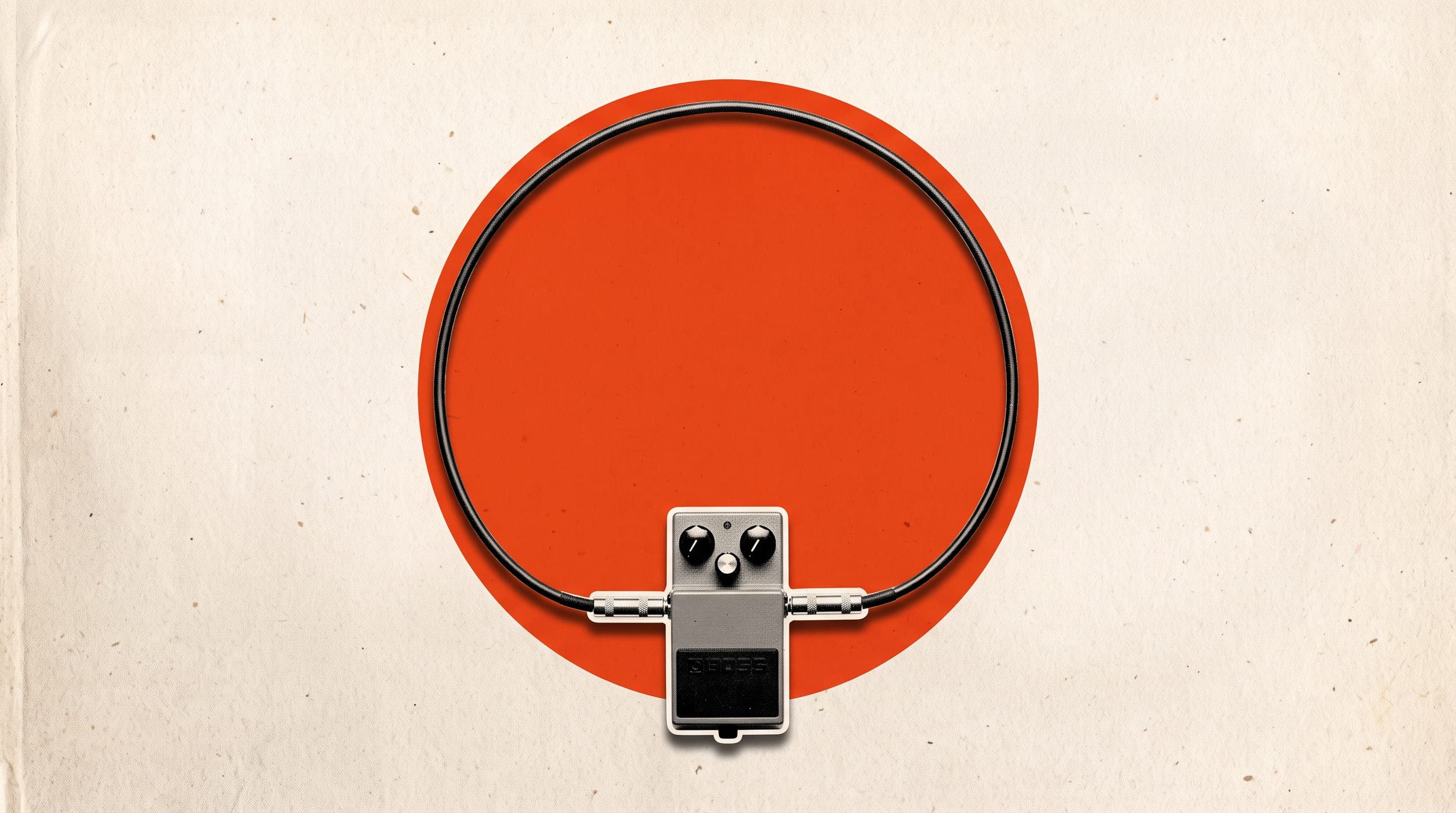
What Is a Looper Pedal? Building Songs Layer by Layer
How a looper works, how to close a loop on time, using one with vocals or keys, and whether it helps or hurts when you play with a band.
From repertoire to setlist, rehearsal flow to showtime — practical notes for bands and news from BandUp.
How a looper works, how to close a loop on time, using one with vocals or keys, and whether it helps or hurts when you play with a band.
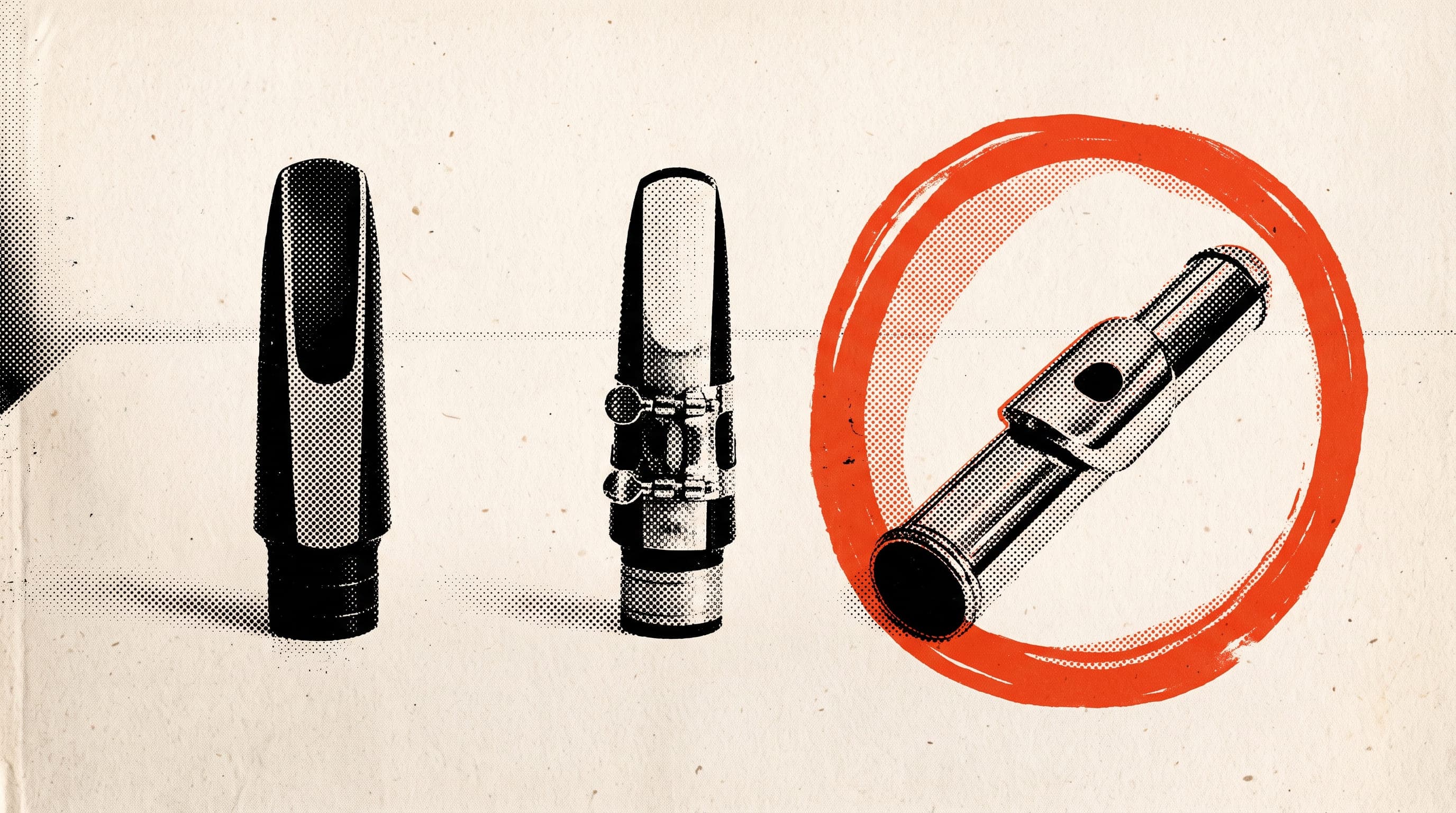
The difference between these three starts in your mouth. First notes, transposing, genres, upkeep and practising in a flat, and which one suits you.
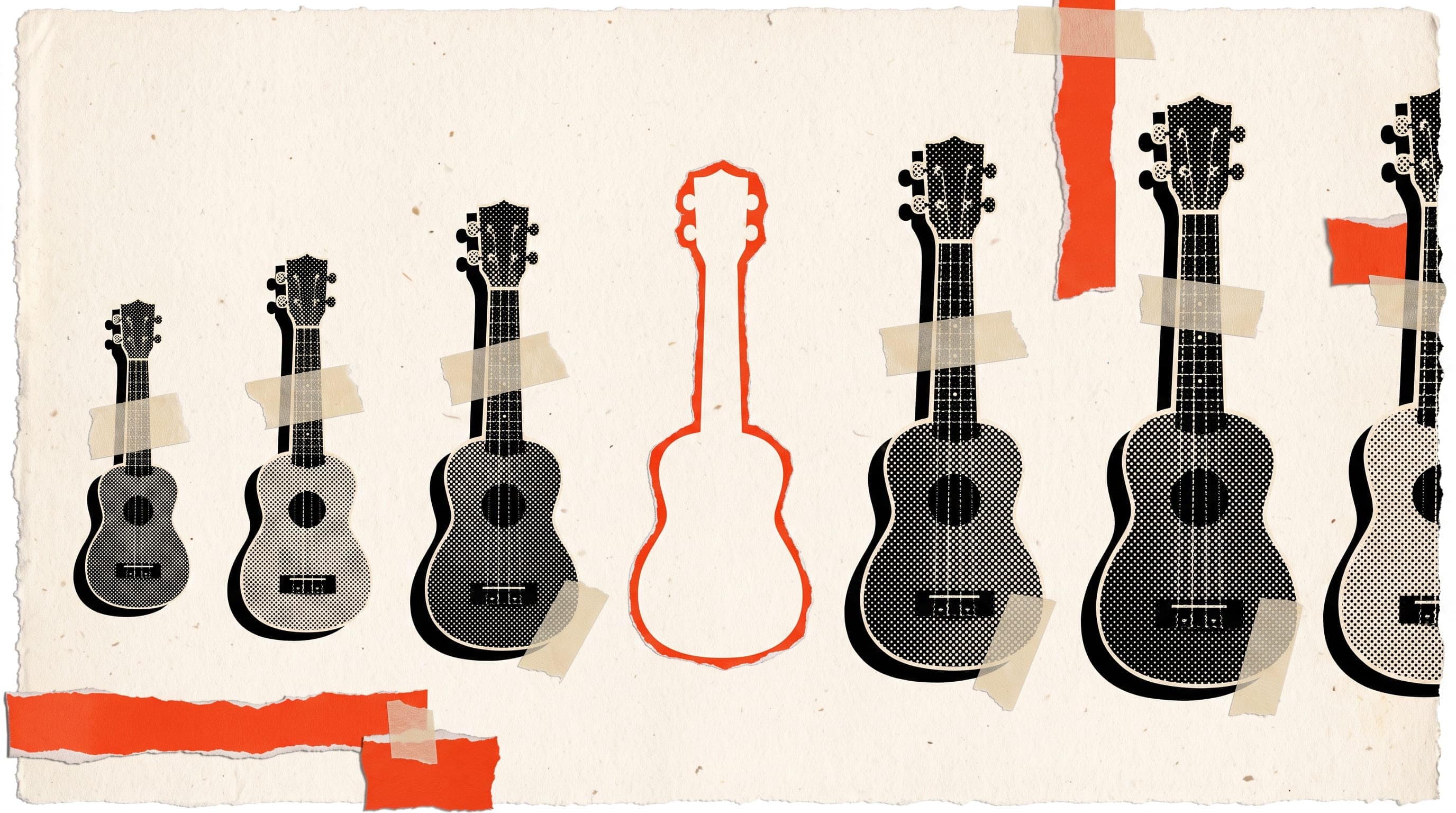
Soprano, concert, tenor or baritone? The real differences, what re-entrant tuning means, your first four chords and why a new uke won't stay in tune.
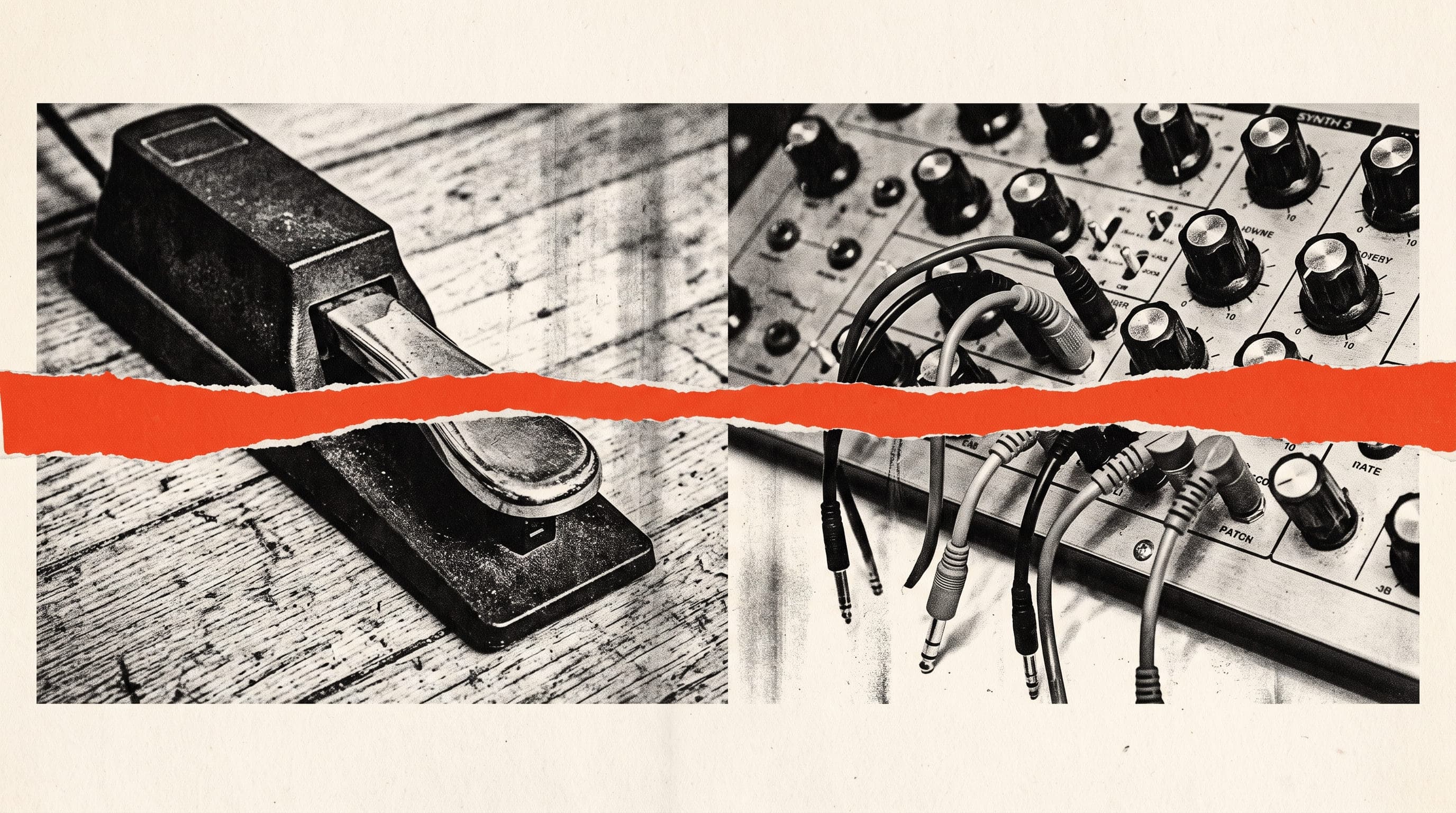
Keyboards that look identical in a shop are built for very different jobs. Here is what to look for whether you are learning piano at home or joining a band.
From finger-tightening and the star pattern to seating new heads, snare wires and spacing your toms, drum tuning step by step.
What the low B really gets you, why the neck and scale length change, how to mute the extra string and whether your songs need a 5-string at all.
Size, weight, air, reeds and style: the differences between alto and tenor sax for beginners, and what Eb and Bb tuning means when you play in a band.
Practice pad, electronic kit or a quietened acoustic kit: what each one trains, which sound reaches the neighbours and how to keep the peace.
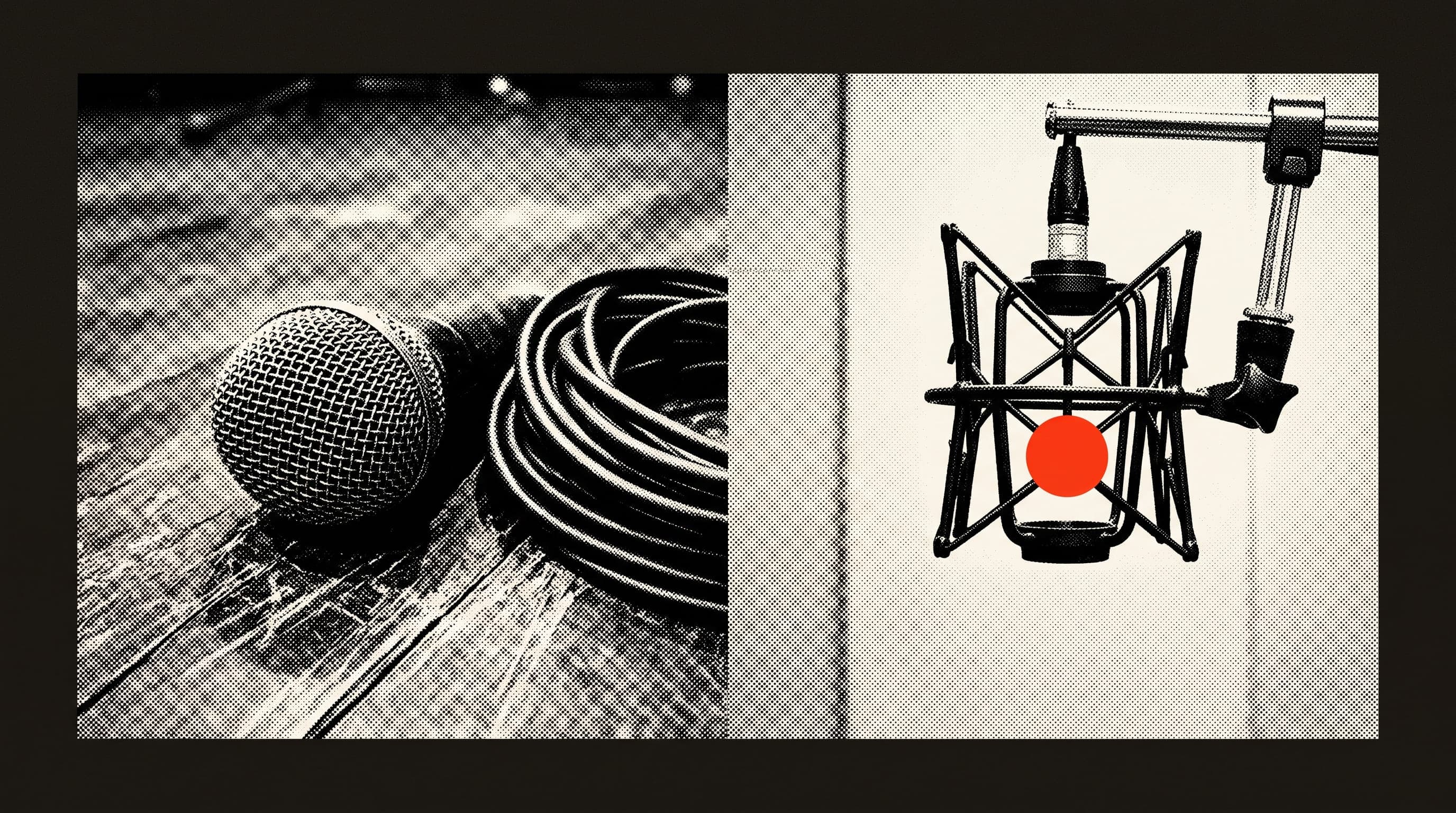
One for stage, one for studio, or so the saying goes. It isn't that simple. How each works, room sound, phantom power, and which mic suits which source.