
First Gig Checklist: How to Prepare for Your First Show
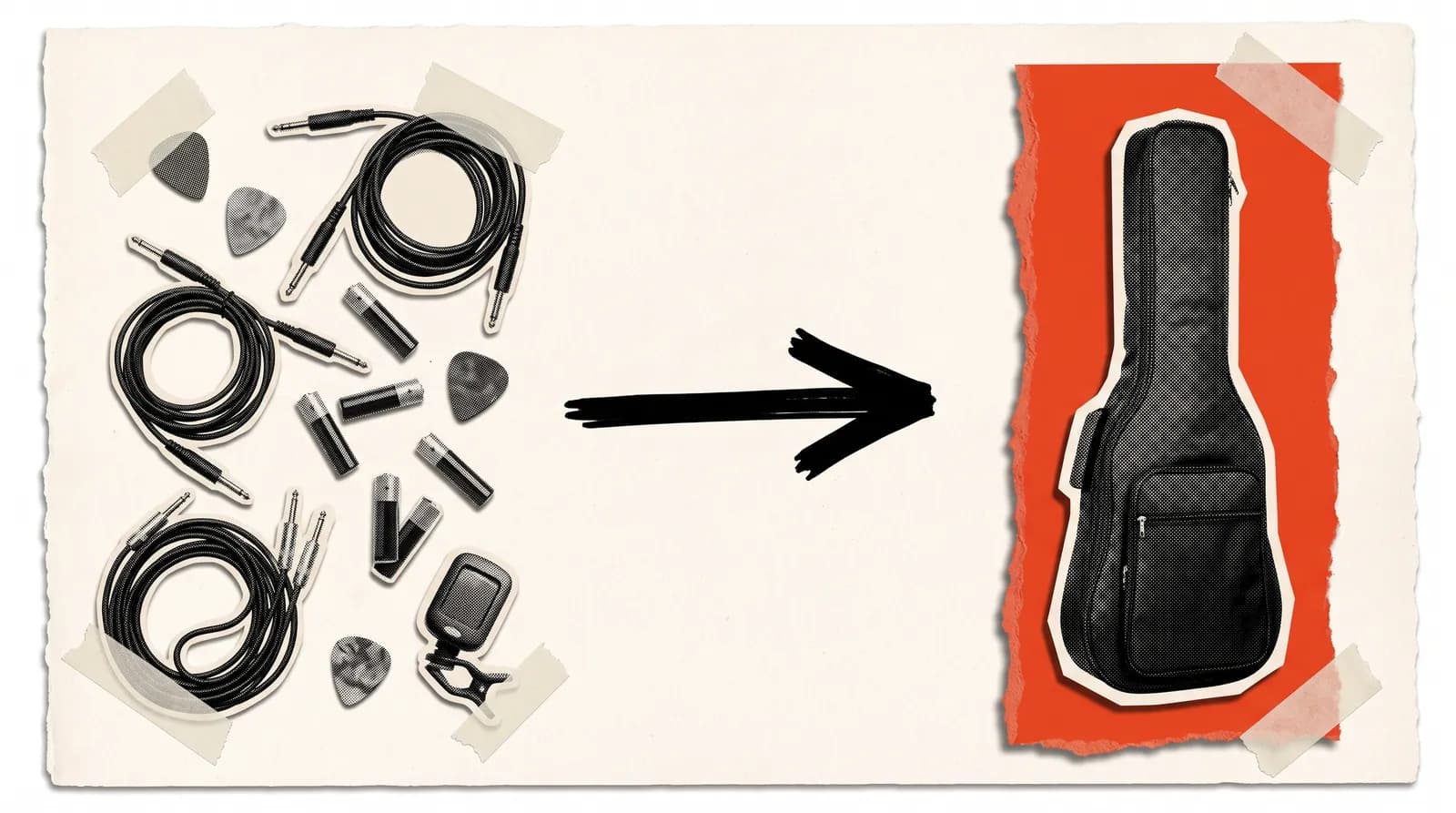
First gig prep is everything a band does in the weeks before a show, the day before and on the day itself. Learning the songs is only part of it. The setlist, gear, talking to the venue, getting there and timing all count too. If the music's ready, most of the rest comes down to a good checklist.
You get to the venue on the night. The guitarist's pedalboard power supply is still at home. The drummer didn't bring a spare snare head. The singer isn't sure which version of the setlist they printed, and the engineer is asking "have you got an input list?" Each one is a small thing. All of them on the same night, and the hour before you go on turns into pure stress.
Most bands go through some version of that early on. We did too. This checklist is so you don't have to: weeks before, the day before, gig day and after the show, in that order.
How do you prepare for your first gig weeks in advance?
The clock starts the moment the date is confirmed. The early weeks are about the music and the organizing.
- Pin down the set length: ask the venue how long you're playing. One set or two, and is there a break?
- Build the setlist: pick and order songs to fit the time. Think about the opener, the middle and the closer separately. Our guide to building a setlist walks through it step by step.
- Rehearse the set, not the songs: play the setlist in order at rehearsal, transitions included. That's where you find out what happens between songs, who talks and who needs to retune.
- Plan the gaps: decide which songs you'll talk after and which two run straight into each other. A silent gap on stage feels a lot longer than it really is.
- Send the tech rider: let the venue know your input list, stage plot and monitor needs. Not sure what that is? Check our tech rider guide.
- Split the jobs: who talks to the venue, who talks to the engineer, who sorts out transport? Don't pile it all on one person.
- Service your gear: replace that dodgy cable now. If you need new strings, don't leave it to gig day. Put them on a day or two before so they have time to settle.
What should you do the day before the gig?
The day before isn't for learning anything new. It's for checking what you've got.
- Share the final setlist with everyone and make sure you all have the same version.
- Print the setlist in a big font. A few copies, plus one for the engineer.
- Confirm times with the venue: arrival, setup, soundcheck, doors and stage time.
- Go through who's bringing which piece of gear, item by item. This is exactly where "I thought you were bringing it" happens.
- Sort transport. Which car fits the gear, who's picking up whom?
- Pack the bag tonight, not on the morning of the show.
It's tempting to add a new song or change an arrangement at the last rehearsal. It's usually a bad idea. Locking in what you know does more for you than trying something new.
Run that last rehearsal like a show. Play the setlist top to bottom without stopping, including the bits where you talk. If something goes wrong, keep going, the same way you would on stage. When you're done, check the time: does the set fit what the venue gave you? Then call it early. Resting your voice and hands the night before is worth more than one more run.
What goes in a gig bag?
The gig bag holds spares for the small things that break on stage. It's cheap and compact, and when something's missing, the whole night feels it.
| Who | What to pack |
|---|---|
| Everyone | Spare instrument cable, extension lead and power strip, gaffer tape, a small flashlight, water |
| Guitar and bass | Spare set of strings, picks, tuner, pedal power supply and spare batteries, capo, strap locks |
| Drums | Sticks, spare sticks, drum key, spare snare head, cymbal felts |
| Keys | Power supply, sustain pedal, stereo cable |
| Vocals | Your own mic if you have one, throat lozenges or warm water, a printed lyric sheet |
| Band | Printed setlists, a copy of the tech rider, the venue's contact details |
Write this list once and use the same one before every show. Don't pack from memory. Nerves hit your memory first.
How do you plan the gig-day timeline with the venue?
Gig day follows a set order. The venue sets the times, but knowing the order makes it clear what happens when.
- Arrival and load-in: be there when the venue says. Turning up late eats into your soundcheck.
- Setup: get the gear on stage and place it according to your stage plot. Tidy the cables now.
- Soundcheck: usually drums first, vocals last, then the full band plays part of a song or two. Our soundcheck guide covers how it works.
- The wait: eat and drink something before doors, and leave your gear somewhere safe on stage.
- Stage time: be side-stage and ready a few minutes early.
- Load-out: if other bands are on, clear the stage quickly for the next one.
To build that timeline you need to ask the venue a few things up front. Ask once and share the answers with the band:
- What time should we arrive, where do we load in, is there parking nearby?
- What gear is already on stage? Drum kit, amps, number of mics and monitors.
- Is there a house engineer, or do we bring our own?
- Are other bands playing? What's our slot, and what's the soundcheck order?
- Where can we leave our gear until the end of the night?
The answers aren't always what you'd hope: a tiny stage, one wedge, no soundcheck. But finding that out a week before instead of on the night changes everything. You plan the set, the rider and the bag around it.
On multi-band nights, time gets tight and a quick line check might replace the soundcheck. That's when a tech rider sent in advance really pays off.
What should you check in the last few minutes before going on?
Do one quick round before you walk on:
- Is everything in tune? Stage lights change the temperature and can knock your tuning, so check one last time.
- Can everyone see the setlist? Taped to the floor, on a stand or on a screen.
- Are pedals and keyboard sounds set for the first song?
- Phones on silent?
- Who counts in the first song, and how does it start?
That last one looks small but it matters. Nail the start of the first song and the rest comes easier. If you can't hear yourself in the monitor, tell the engineer after the first song, using the hand signals you agreed on at soundcheck. You can fix it any time, but catching it early makes life easier. And agree beforehand on what to do if the setlist changes at the last minute. We cover that in changing the setlist mid-show.
How do you handle stage nerves?
You'll be nervous at your first gig. Trying to make that go away is less realistic than keeping it in check.
- Prep is the best calmer: a band that's rehearsed the set in order has less to think about on stage.
- Pick an easy opener: start with the song the band knows best, one without a tricky intro.
- Breathe: a few slow, deep breaths before you walk on also take the edge off a rushing tempo.
- If you mess up, keep going: the crowd misses most mistakes. They notice if you stop.
Nerves peak during the first song, and they usually speed you up. If the drummer knows that when counting in, they can keep the opening deliberately a little calmer. It also helps when the least nervous person in the band makes eye contact with the others. One look is the quickest way to say "we're good, keep going." By the end of the first song, most bands have found their feet.
What should you do after the show?
The work doesn't stop when the set does. Gear first: count your cables and accessories as you come off stage. Cables, tuners and power supplies are the easiest things to leave behind in a dark venue.
Then thank the engineer and the venue. The next booking often comes out of that short chat. Within a few days, do a quick debrief with the band. Which song went well, which transition wobbled, what was missing from the bag? Write it down and add it to your next checklist.
If someone filmed the show on their phone, listen back. You'll hear much more clearly how much a song rushed, or where the band was waiting on each other. Don't turn the debrief into a blame session. The point is not to trip over the same thing next time.
In BandUp, the setlist stays in sync on every band member's screen. Stage Mode shows the setlist order, big lyrics and chords, your personal notes and your setup list, like amp settings, without going into any menus. Add it to your phone's home screen from Safari or Chrome and the setlist and song details still open with no internet. And the tech rider goes to the venue as a single link, no login needed.
After the first gig, prepping for the second one takes a lot less time, because now you've got a list.